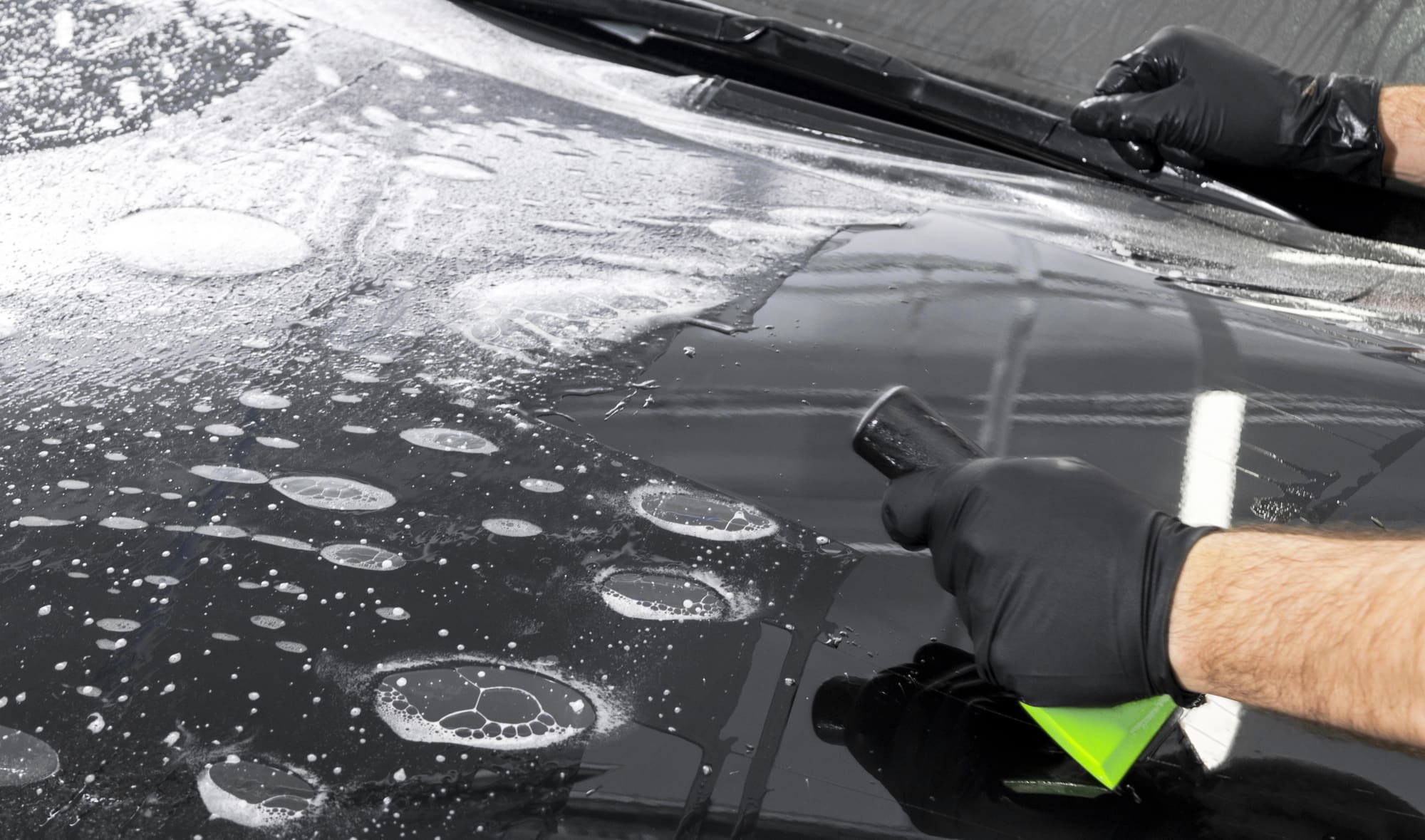
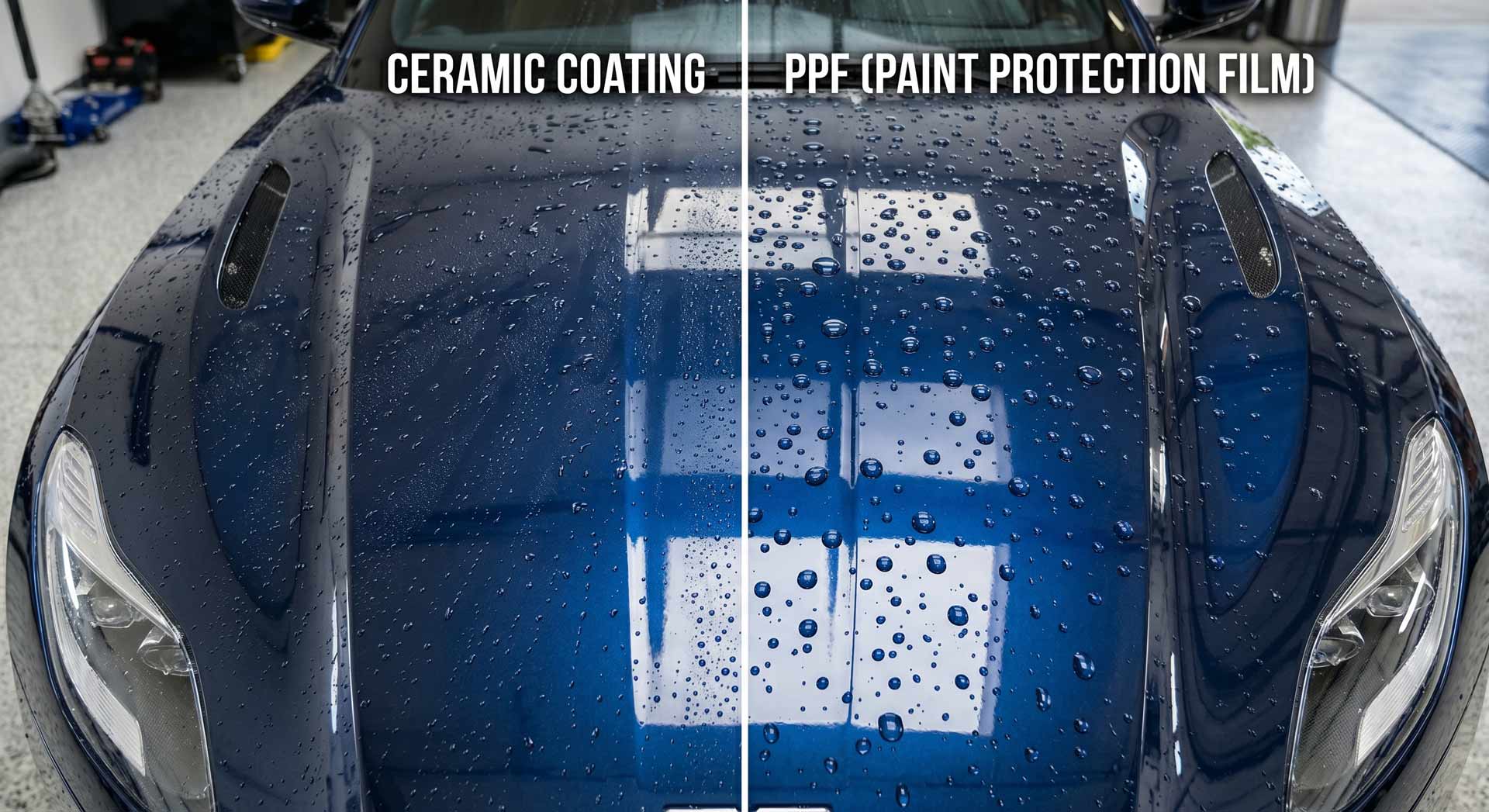
If you've been researching ways to protect your vehicle's paint, you've almost certainly encountered the PPF vs. ceramic coating debate. Both products promise to protect your finish, both require professional installation, and both represent meaningful investments. So which one does your vehicle actually need?
At MI Paint Protection in Walker, this is the single most common question we hear from Grand Rapids drivers. The honest answer is that PPF and ceramic coating solve fundamentally different problems — and understanding that distinction is the key to making the right choice. Even better, modern technology means you may not have to choose at all.
Here's the straightforward comparison you need, with zero sales pressure and Michigan-specific context that actually matters for your vehicle.
Understanding the Fundamental Difference
The confusion between PPF and ceramic coating exists because both are marketed as "paint protection." That's technically true, but the type of protection each provides couldn't be more different.
Paint protection film is a thick, transparent urethane barrier — typically 6 to 8 mils — applied directly over your paint. Think of it as invisible body armor. When a rock flies off the truck ahead of you on US-131, the film absorbs the impact so your paint doesn't. When road salt clings to your bumper through a Kent County winter, the film takes the abuse instead of your clear coat.
Ceramic coating is a thin liquid polymer — roughly 1 to 2 microns — that chemically bonds to your paint's surface. Think of it as an enhanced clear coat. It creates a hydrophobic, UV-resistant layer that makes your paint easier to clean, more resistant to chemical staining, and glossier in appearance. But that layer is microscopically thin, providing virtually no defense against physical impact.
The simplest way to remember: PPF protects against what hits your paint. Ceramic coating protects against what lands on it.
What PPF Does That Ceramic Coating Cannot
Physical Impact Protection
This is where PPF stands alone. No ceramic coating — regardless of price, brand, or claims — can prevent rock chips, gravel damage, or scratches from road debris. The physics simply don't work. A 1-2 micron chemical layer cannot absorb the force of a stone striking your hood at highway speed.
PPF's 6-8 mil thickness absorbs and disperses impact energy across the film surface. The rock hits the film, the film flexes, and your paint underneath stays untouched. We see this daily at our Walker facility — vehicles with tens of thousands of highway miles and not a single chip on protected panels.
For Grand Rapids drivers commuting on US-131, I-196, or M-6, this physical protection isn't optional. Michigan highways deliver relentless debris bombardment from construction zones, gravel trucks, and winter road treatments. Ceramic coating offers no defense against any of it.
Self-Healing Properties
Premium PPF like LLumar features self-healing topcoats that repair minor surface scratches when exposed to heat. A light scratch from a tree branch or car wash brush simply disappears with sun exposure or warm water.
Ceramic coating cannot self-heal. Once scratched — even lightly — the damage remains until the coating is polished and reapplied. Some manufacturers claim self-healing properties in ceramic coatings, but the extremely thin layer makes meaningful repair physically impossible.
Road Salt Barrier
Michigan drivers face over six months of road salt exposure annually. PPF creates an impermeable physical barrier between corrosive salt and your paint. The salt contacts the film, not your clear coat — and LLumar's hydrophobic properties cause salt-water to bead up and roll off rather than clinging.
Ceramic coating provides some chemical resistance to salt, but it's a thin layer that salt can penetrate over time, especially at edges and in areas where the coating wears. It slows salt damage; PPF prevents it entirely.
What Ceramic Coating Does Well
Ceramic coating isn't a bad product — it simply serves a different purpose. Here's where it genuinely excels:
Ease of Maintenance
Ceramic coating's hydrophobic properties make washing dramatically easier. Water, dirt, and road grime slide off rather than bonding to the surface. For drivers who want their vehicle looking clean with minimal effort, ceramic coating delivers.
Gloss Enhancement
Quality ceramic coating deepens paint color and adds noticeable gloss. The visual improvement is immediate and impressive — your paint looks richer and more vibrant than factory finish alone.
Chemical Resistance
Bird droppings, tree sap, bug splatter, and industrial fallout are acidic contaminants that damage unprotected paint over time. Ceramic coating's chemical-resistant surface prevents these substances from bonding to or etching your clear coat.
UV Protection
Michigan summers deliver significant UV exposure that causes paint to fade and oxidize over years. Ceramic coating provides measurable UV protection that slows this degradation.
Cost Accessibility
Professional ceramic coating typically costs $800-2,000 for full vehicle application — significantly less than full vehicle PPF ($5,000-7,500+). For drivers who want improved appearance and easier maintenance without maximum physical protection, ceramic coating provides good value.
The Honest Comparison for Michigan Drivers
Here's how PPF and ceramic coating stack up across the factors that matter most for Grand Rapids vehicles:
Impact Protection
PPF: Excellent — absorbs rock chips, gravel, road debris
Ceramic Coating: None — provides zero physical protection
Self-Healing
PPF: Yes — minor scratches disappear with heat
Ceramic Coating: No — scratches are permanent until reapplied
Hydrophobic Properties
PPF: Good (excellent with LLumar HydroGard/Tetrashield)
Ceramic Coating: Excellent — strongest water beading
Gloss Enhancement
PPF: Moderate (excellent with LLumar Valor)
Ceramic Coating: Excellent — noticeable depth and shine
UV Protection
PPF: Good — blocks UV reaching paint
Ceramic Coating: Good — chemical UV resistance
Road Salt Defense
PPF: Excellent — impermeable physical barrier
Ceramic Coating: Moderate — chemical resistance but penetrable over time
Stain Resistance
PPF: Good (excellent with premium films)
Ceramic Coating: Excellent — strong chemical resistance
Durability
PPF: 10-12 years with warranty
Ceramic Coating: 2-5 years (professional grade)
Cost (Full Vehicle)
PPF: $5,000-7,500+
Ceramic Coating: $800-2,000
Cost (Front Coverage Only)
PPF: $2,200-3,500
Ceramic Coating: N/A (typically full vehicle only)
Prevents Paint Repairs
PPF: Yes — eliminates chip and scratch repairs
Ceramic Coating: No — does not prevent physical damage
Why Grand Rapids Drivers Should Prioritize PPF
Michigan conditions create specific threats that make PPF the stronger investment for most local drivers:
Road Salt: Six months of corrosive salt exposure demands physical barrier protection, not just chemical resistance.
Highway Debris: Commuting on US-131, I-196, and M-6 exposes vehicles to constant bombardment. One unprotected drive can create permanent chips.
Temperature Extremes: Grand Rapids' -10°F to 95°F swings stress paint systems. PPF's flexible urethane moves with your paint; ceramic coating can crack or separate under extreme thermal cycling.
Construction Zones: Michigan's perpetual road construction throws gravel, tar, and debris at vehicles. Physical protection is essential, not optional.
Resale Value: Vehicles with pristine paint protected by PPF command 10-20% higher resale values. Ceramic coating enhances appearance but doesn't prevent the damage that reduces trade-in value.
A Grand Rapids vehicle with ceramic coating alone will still accumulate rock chips, salt damage, and road debris scars. A vehicle with PPF maintains factory-perfect paint regardless of Michigan conditions.
The Third Option: Why LLumar Valor Changes the Conversation
Here's where the PPF vs. ceramic coating debate gets interesting. What if you didn't have to choose?
LLumar Valor is a 2-in-1 paint protection film with factory-integrated ceramic coating technology. It's not PPF with a ceramic coating applied on top afterward — the Tetrashield ceramic properties are built directly into the film during manufacturing.
What Valor Delivers
Full PPF Physical Protection: Same rock chip, scratch, and impact defense as premium PPF. Your paint stays pristine behind a genuine thermoplastic urethane barrier.
Integrated Ceramic Benefits: Tetrashield technology provides:
- Ultra-hydrophobic surface where dirt and water slide off effortlessly
- Up to 25% more resistance to environmental contaminants than standard PPF
- Deep, rich gloss completely free from orange peel texture
- Superior chemical and stain resistance
OEM-Trusted Technology: Tetrashield is trusted by original equipment manufacturers — not aftermarket ceramic coating, but factory-level integration.
12-Year Warranty: LLumar backs Valor with a 12-year manufacturer warranty — two years longer than their Platinum series and significantly longer than any ceramic coating.
Valor vs. PPF + Separate Ceramic Coating
Some shops recommend applying PPF first, then ceramic coating on top. This works, but Valor offers distinct advantages:
Single Installation: One appointment, one installation, one cost. No waiting for PPF to cure before returning for ceramic coating application.
Factory Integration vs. Aftermarket Layer: Tetrashield's ceramic properties are manufactured into the film, creating a consistent, durable bond. Aftermarket ceramic coating on top of PPF is an additional layer that can wear unevenly and requires reapplication every 2-5 years.
Cost Efficiency: Valor costs less than PPF plus separate professional ceramic coating. You get both benefits at lower total investment.
Consistent Performance: Factory-integrated ceramic properties perform uniformly across every inch of film. Manually applied ceramic coating varies in thickness and coverage depending on application technique.
Simplified Maintenance: No need to maintain or reapply a separate ceramic coating layer. Valor's Tetrashield properties are permanent for the life of the film.
When Valor Makes Sense
Valor is the ideal choice for drivers who:
- Want maximum protection AND premium appearance
- Prefer simplicity over multiple products and appointments
- Drive in harsh Michigan conditions year-round
- Own luxury or high-value vehicles deserving top-tier protection
- Want the longest manufacturer warranty available (12 years)
When Ceramic Coating Alone Makes Sense
Despite PPF's superiority for physical protection, there are situations where ceramic coating without PPF is a reasonable choice:
Primarily Garaged Vehicles: If your car rarely sees highway speeds or harsh conditions, the physical protection advantage of PPF diminishes. Ceramic coating provides appearance enhancement and easier maintenance at lower cost.
Limited Budget: Professional ceramic coating costs significantly less than PPF. If budget constraints make PPF impractical right now, ceramic coating provides meaningful (if limited) protection and can be supplemented with PPF later.
Older Vehicles: For vehicles already showing significant paint wear with limited remaining ownership time, ceramic coating offers a cost-effective appearance boost without the investment of full PPF.
Appearance Priority Over Protection: If your primary concern is how your vehicle looks and cleans rather than preventing physical damage, ceramic coating delivers strong aesthetic results.
The Combined Approach: PPF + Ceramic Coating
Many of our clients choose a strategic combination:
PPF on High-Impact Areas: Full front coverage (hood, fenders, bumper, mirrors) using LLumar Platinum or Valor to defend against road debris, salt, and physical damage.
Ceramic Coating on Remaining Surfaces: Professional ceramic coating on doors, roof, trunk, and quarter panels for enhanced appearance, easier cleaning, and chemical protection.
This delivers comprehensive protection where each product addresses the threats it handles best. The front takes the physical punishment while the remaining surfaces stay glossy and easy to maintain.
If choosing this approach, we recommend LLumar Valor for the PPF portions — since Tetrashield provides ceramic-level hydrophobic performance on the protected areas, and you only need separate ceramic coating on the non-PPF surfaces. This creates consistent appearance and performance across the entire vehicle.
Making Your Decision: A Simple Framework
Choose PPF if you drive Michigan highways regularly, park outdoors, commute in winter conditions, own a vehicle worth protecting long-term, or prioritize preventing physical paint damage.
Choose ceramic coating if your vehicle is primarily garaged, you rarely drive highways, your budget doesn't currently allow PPF, or your primary concern is appearance rather than impact protection.
Choose LLumar Valor if you want both physical protection and ceramic coating benefits in a single, cost-effective, warranty-backed solution.
Choose PPF + ceramic coating if you want maximum protection everywhere, with PPF on high-impact areas and ceramic coating on the rest.
For most Grand Rapids drivers facing daily highway commutes, winter road salt, and Michigan's unforgiving road conditions, PPF represents the smarter long-term investment. Ceramic coating enhances appearance, but only PPF prevents the physical damage that actually costs you money in repairs and lost resale value.
Get Expert Guidance from MI Paint Protection
The PPF vs. ceramic coating question doesn't have a one-size-fits-all answer. Your driving habits, vehicle type, parking situation, budget, and protection priorities all factor into the right recommendation.
At MI Paint Protection, we provide honest, no-pressure consultations that help you make the informed decision. As an Authorized LLumar Dealer, we offer the full range of PPF options — including Valor with integrated ceramic technology — installed by certified professionals in our climate-controlled Walker facility.